
Europe’s increasingly hot summers are drawing greater attention to fire prevention in homes, workplaces, holiday properties and public facilities.
According to the Copernicus Climate Change Service, June 2026 was the hottest June recorded in western Europe. The regional average temperature reached 20.74°C, approximately 3.06°C above the 1991–2020 average. The month was also the second-warmest June globally in the ERA5 dataset.
Hot weather does not automatically cause every type of fire. However, prolonged heat, dry conditions, increased use of electrical equipment and more frequent outdoor cooking can create circumstances in which a small mistake develops into a serious emergency.
This makes summer an important time for households and businesses to review their fire safety equipment. A properly selected and correctly positioned fire blanket can be a valuable part of that preparation.
Europe Is Facing Greater Seasonal Fire Pressure
The European Commission’s Joint Research Centre reported that, by July 8, 2026, more than 1,000 fires had been detected in the European Union since the beginning of the year, with over 155,000 hectares affected.
Although the area burned was below the exceptionally high level recorded during the same period in 2025, the number of fires remained substantially above the long-term average.
The longer-term trend is also important. European fire authorities have observed that the traditional wildfire season is expanding, with serious fires occurring both earlier and later in the year.
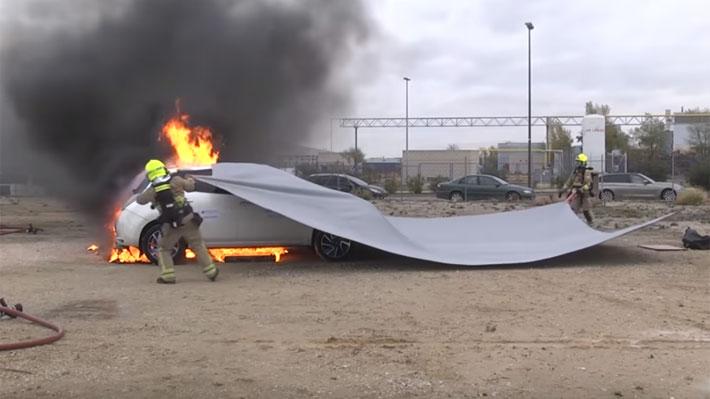
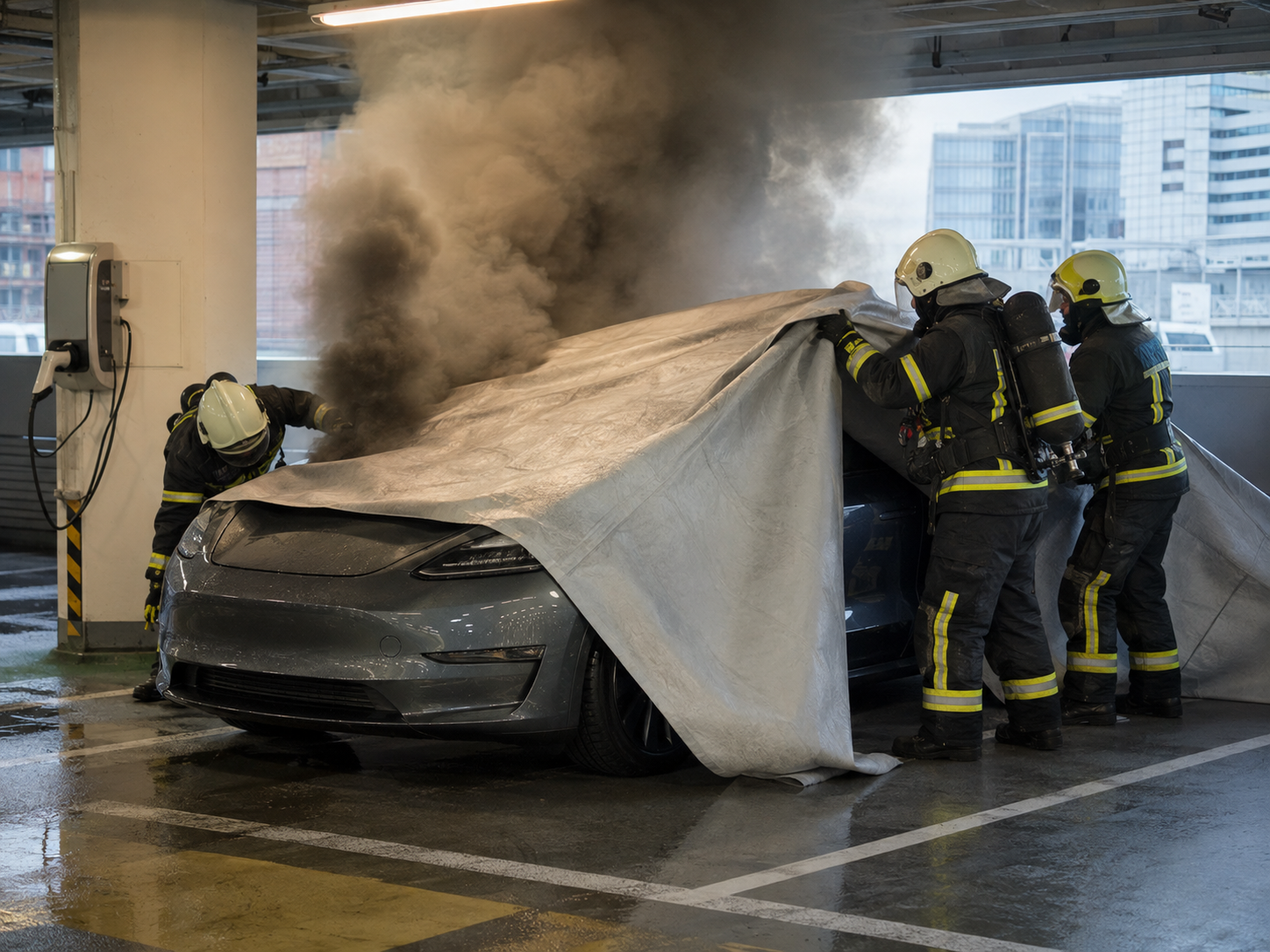
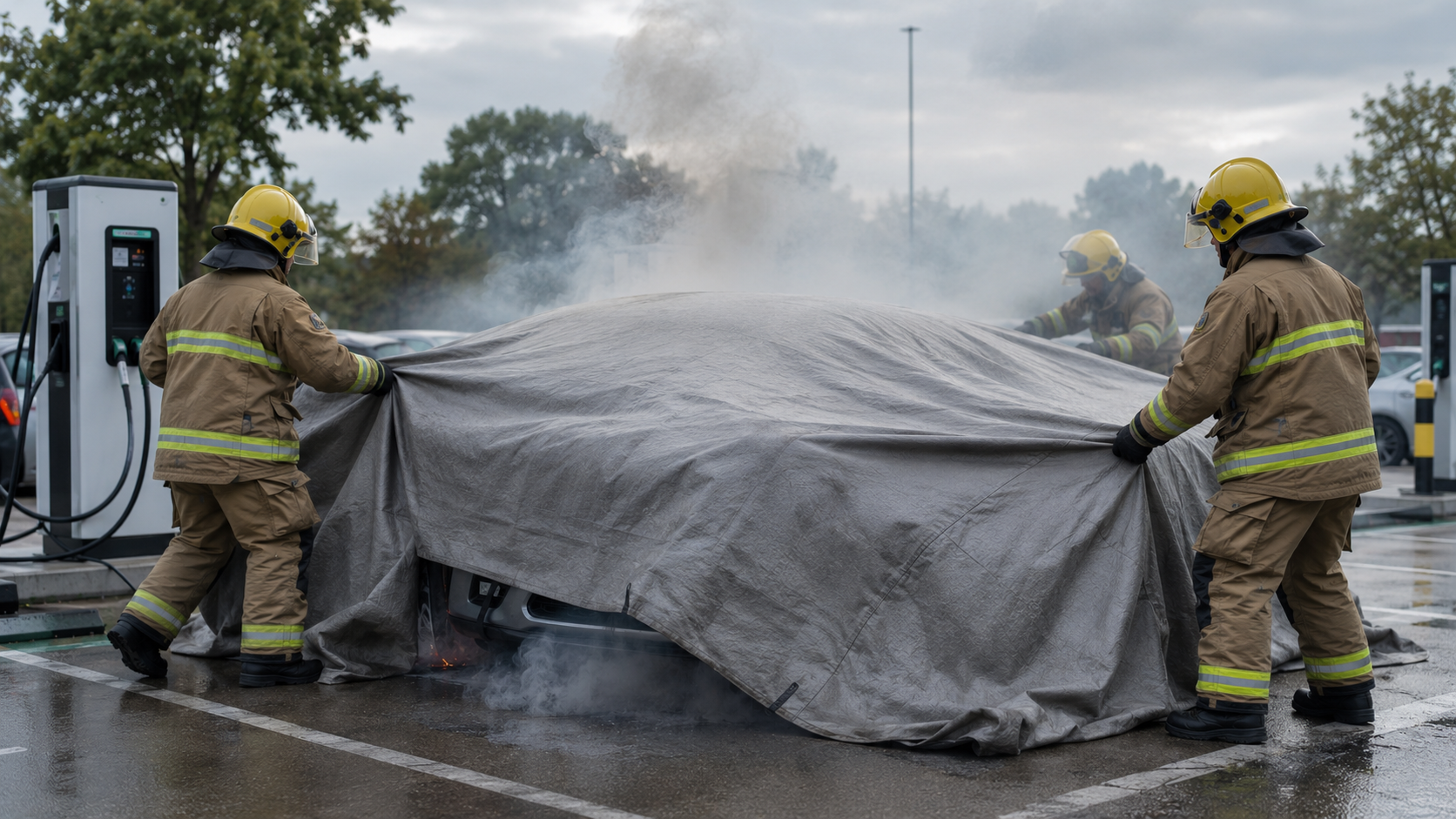
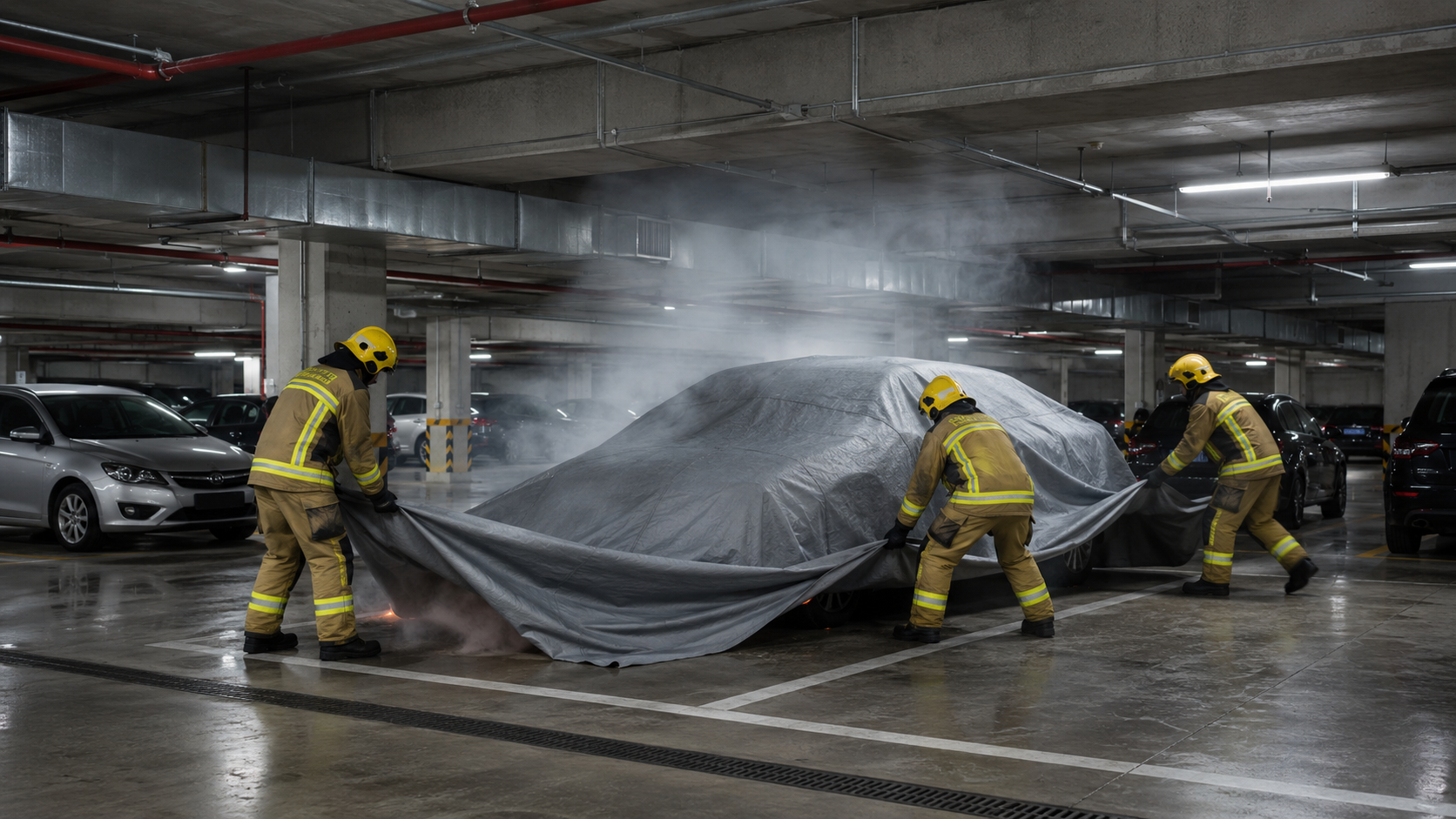
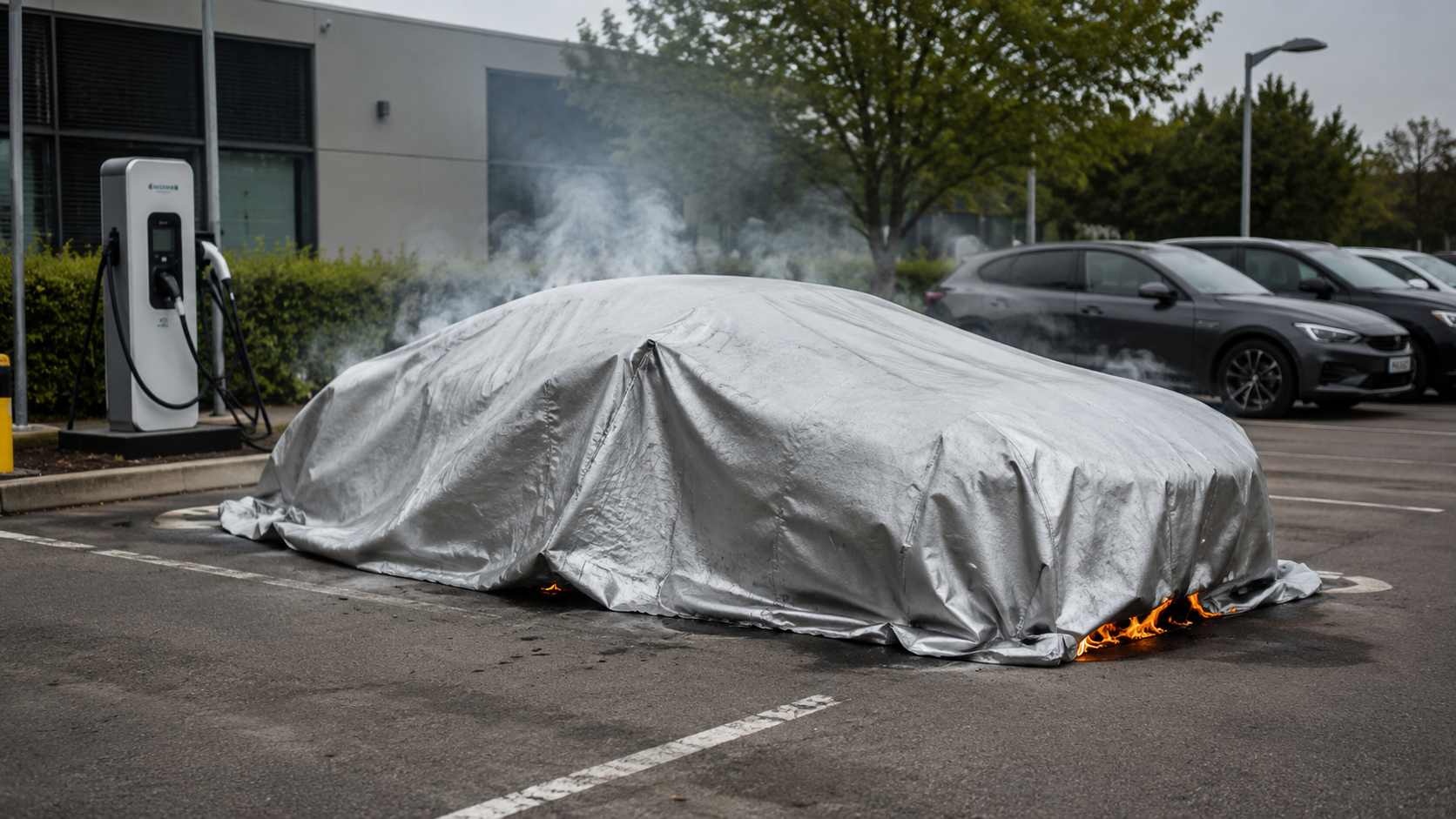
A fire blanket cannot control a forest fire or protect a building from a major wildfire. Its purpose is much more specific: helping a trained or capable person smother certain small fires before they spread.
Understanding this distinction is essential when selecting and promoting fire safety products.
Why Hotter Summers Increase the Need for Fire Preparedness
During hot weather, several everyday activities may require greater attention.
More Outdoor Cooking
Families, hotels, campsites and restaurants often increase their use of barbecues, outdoor kitchens and temporary cooking areas during summer.
Open flames, hot cooking oil, combustible decorations and dry surrounding materials can create a hazardous combination. A fire blanket positioned near the cooking area may help control a small, contained fire, provided that approaching the fire is still safe.
Greater Pressure on Electrical Equipment
Air conditioners, electric fans, refrigerators, charging devices and other appliances may operate for longer periods during a heatwave.
Fire blankets are not a universal solution for electrical fires. The electricity supply should be isolated when it is safe to do so, and the correct type of firefighting equipment must be used. Nevertheless, including a fire blanket in a broader emergency plan can improve preparedness for some small, developing fires.
Increased Activity in Holiday Properties
Hotels, holiday apartments, caravans, campsites and rental homes often receive more guests during the summer.
Visitors may be unfamiliar with the kitchen, appliances, emergency exits or local fire procedures. Clearly visible safety equipment and simple instructions can make it easier for occupants to respond appropriately during the early stage of an emergency.
What Is a Fire Blanket?
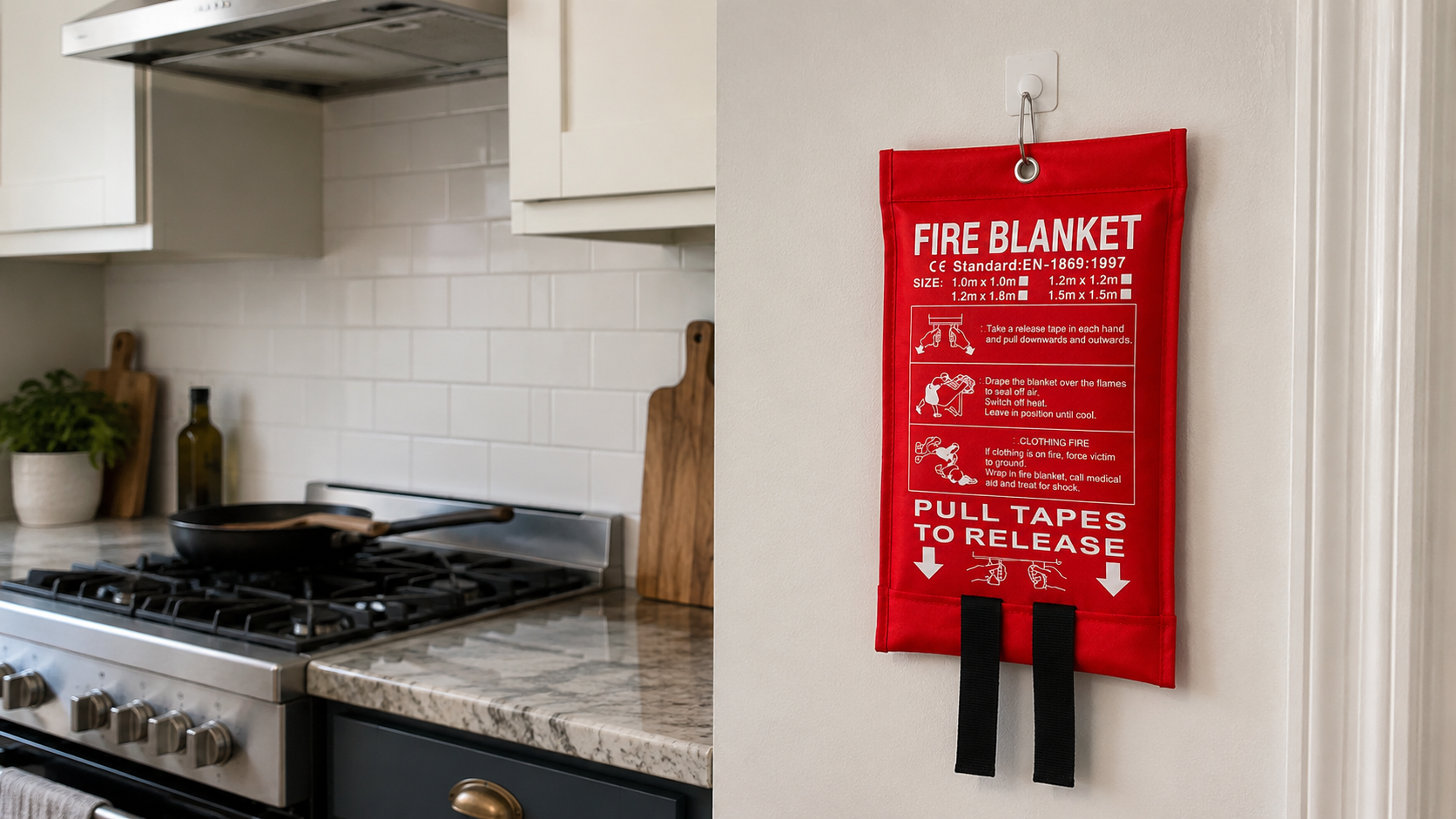
A fire blanket is a flexible sheet of fire-resistant material designed to cover and smother a small fire.
Fire needs oxygen to continue burning. When a suitable blanket completely covers a small flame, it can restrict the oxygen supply and help prevent the fire from spreading.
Fire blankets are commonly installed in:
- Residential kitchens
- Commercial cooking areas
- Hotels and holiday apartments
- Caravans and motorhomes
- Workshops and laboratories
- Schools and offices
- Campsites and outdoor cooking facilities
Fire and rescue services commonly describe fire blankets as equipment intended for small fires. Some services also advise that they may be used around a person whose clothing has caught fire, provided that the user follows appropriate emergency procedures.
When Can a Fire Blanket Be Useful?
A fire blanket may be appropriate when:
- The fire is small and contained
- The blanket can completely cover the burning area
- The user has a clear escape route
- The user can approach without passing through flames or heavy smoke
- The correct product and operating method are being used
- Emergency services have been contacted when necessary
One of the most recognised applications is a small cooking-oil or pan fire. UK fire safety guidance advises never to throw water onto burning oil, because water can spread the burning material and cause a dangerous flare-up. Some official guidance recommends carefully placing a fire blanket over the pan when it is safe to do so.
In commercial premises where cooking oils or fats create a fire risk, UK government guidance recommends considering both a fire blanket and an appropriate Class F extinguisher.
A fire blanket should therefore be considered one component of a complete fire safety system, rather than a replacement for alarms, extinguishers, evacuation plans or professional firefighting services.
When Should You Not Use a Fire Blanket?
People should not attempt to fight a fire when:
- The fire is already spreading
- Flames are larger than the blanket
- The room is filling with smoke
- The heat is too intense to approach
- The fire involves hazardous chemicals or pressurised containers
- The user does not have a safe exit behind them
- There is uncertainty about whether the blanket is suitable
In these situations, the priority is to raise the alarm, evacuate the area, close doors when possible and contact emergency services.
Personal safety must always come before protecting equipment, property or products.
How to Choose a Fire Blanket for the European Market
Not all fire blankets offer the same construction, dimensions or documented performance. European distributors, safety-equipment companies and institutional buyers should evaluate products carefully.
Check the Applicable Standard
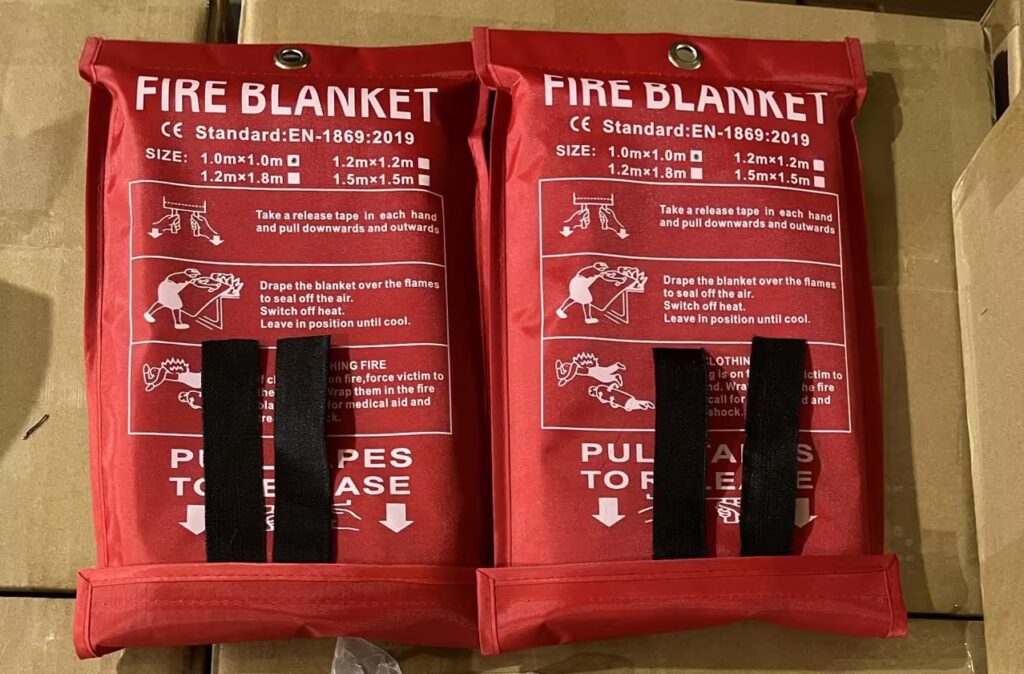
BS EN 1869 specifies requirements relating to the firefighting performance, construction, marking, packaging and preservation of fire blankets.
Testing covers both the smallest and largest available sizes within a product range. Buyers should request valid documentation that clearly identifies the tested model, dimensions and manufacturer.
A supplier stating that a product uses “fire-resistant material” is not the same as demonstrating that the finished blanket has been tested against an applicable standard.
Select an Appropriate Size
The blanket must be large enough to cover the intended fire risk completely.
Common household sizes include approximately:
- 1.0 × 1.0 metres
- 1.2 × 1.2 metres
- 1.2 × 1.8 metres
Larger models may be selected for commercial kitchens, workshops or other specialised applications. Size should be based on a documented risk assessment rather than price alone.
Examine the Packaging
The container should allow the blanket to be pulled out quickly and unfolded without complicated steps.
Buyers should check:
- Pull-tab strength
- Wall-mounting design
- Visibility of operating instructions
- Packaging durability
- Batch or production identification
- Language requirements for the destination market
Clear instructions are particularly important in hotels, rental properties and public buildings, where the user may have no previous experience with the product.
Request Traceable Documentation
Professional buyers should request relevant technical and compliance information, such as:
- Product specification
- Material composition
- Test reports or certificates
- Batch identification
- Manufacturer details
- Storage instructions
- Packaging and labelling information
- Intended-use limitations
Reliable documentation helps distributors evaluate product consistency and supports responsible placement on the European market.
Where Should a Fire Blanket Be Installed?
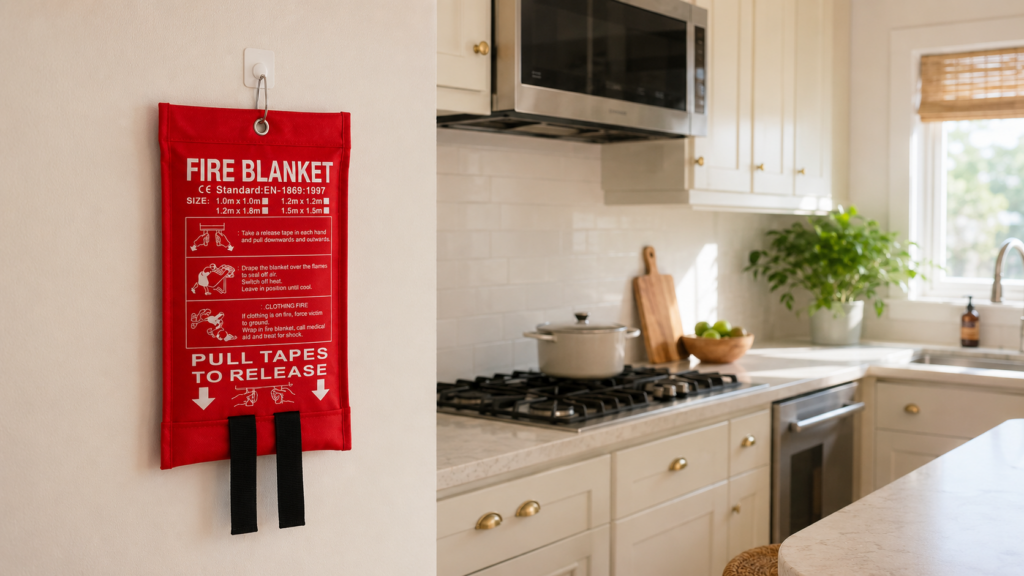
A fire blanket should be visible and easy to reach, but it should not be placed directly above a cooker or another likely source of fire.
If the blanket is too close to the hazard, a person may be unable to reach it safely once flames appear. A position near the kitchen entrance can allow the user to access the blanket while keeping an escape route behind them.
Cornwall Fire and Rescue Service advises keeping a fire blanket mounted where it can be reached quickly and easily.
The surrounding area should remain unobstructed. Staff, residents and guests should also know where the blanket is located and understand that it is intended only for suitable small fires.
Fire Blankets Are Part of a Wider Safety Plan
Installing a fire blanket is useful, but it is not enough on its own.
A complete fire safety plan may also include:
- Correctly installed smoke alarms
- Suitable fire extinguishers
- Clearly marked emergency exits
- Regular equipment inspections
- Staff or resident training
- Safe storage of combustible materials
- Emergency contact information
- A practised evacuation procedure
Commercial users should base their equipment selection on a professional fire risk assessment and the regulations applicable in their country and industry.
Preparing for Europe’s Hotter Fire Seasons
Europe’s recent heatwaves and elevated wildfire activity provide a clear reminder that fire preparedness should not begin after an incident occurs.
Fire blankets cannot stop wildfires or control large structural fires. However, when properly manufactured, correctly installed and safely used, they can help contain certain small fires during their earliest stage.
For households, hotels, campsites, restaurants, workshops and property managers, reviewing fire blanket placement before the hottest part of summer is a practical step toward improved emergency readiness.
The objective is not to encourage untrained people to take unnecessary risks. It is to ensure that suitable equipment is available when a small, manageable incident can still be controlled safely.
Frequently Asked Questions
Can a fire blanket put out every type of fire?
No. Fire blankets are intended for specific small and contained fires. They should not be used against large, spreading fires or hazards that require specialised firefighting equipment.
Can a fire blanket be used on a cooking-oil fire?
A suitable fire blanket may be used to smother a small pan fire when the user can approach safely and completely cover the pan. Never pour water onto burning cooking oil. Follow the product instructions and local fire-service guidance.
Are fire blankets useful during a heatwave?
A fire blanket does not prevent high temperatures or wildfires. However, hotter summers can increase attention to cooking, outdoor activities and electrical safety. Reviewing accessible fire-safety equipment before periods of extreme heat is a sensible precaution.
Where should a kitchen fire blanket be stored?
It should be mounted in a visible, accessible location near the kitchen exit, rather than directly above the cooker. The user should be able to reach it without moving toward the fire.
What should European buyers check before purchasing fire blankets?
Buyers should evaluate the applicable standard, test documentation, product dimensions, instructions, packaging, traceability and the manufacturer’s quality-control system.