
The Complete Guide to Fire Blankets: What They Are, How They Work & Why You Need One
Fire safety is essential for every home, vehicle, workshop, and outdoor space. While many people are familiar with fire extinguishers, fire blankets are an equally important — and often overlooked — tool in preventing small fires from turning into disasters.
In this guide, you’ll learn what fire blankets are, how they work, where you should use them, and how to choose the right one for your needs. Whether you’re shopping for your home, car, or camper, this guide will help you understand fire protection from the ground up.
What Is a Fire Blanket?
A fire blanket is a safety device made from fire-resistant materials — typically woven fiberglass or silicone-coated fabric — designed to smother small fires by cutting off their oxygen supply.
Unlike water or chemical extinguishers, which can spread certain types of fire, fire blankets provide a clean and controlled way to stop flames without leaving residue or causing additional hazards.
How Do Fire Blankets Work?
Fire requires three elements to burn: heat, fuel, and oxygen. Fire blankets work by removing oxygen from that equation.
When a fire blanket is placed over a flame:
- The fabric creates a barrier between the fire and the surrounding air.
- This deprives the fire of oxygen.
- Once oxygen is removed, the fire can no longer sustain itself and is extinguished.
This simple principle makes fire blankets ideal for small, contained fires that are still controllable.
Top Uses for Fire Blankets
🔥 Kitchen Fires
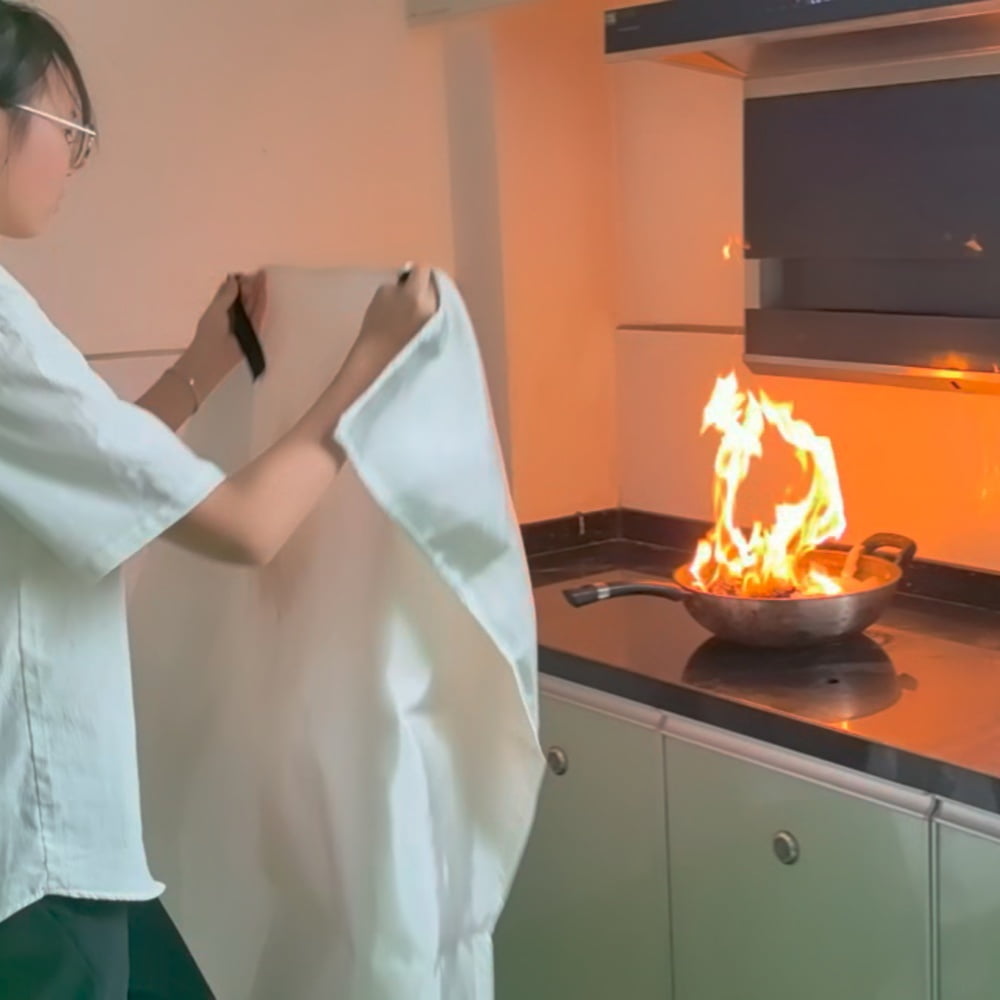
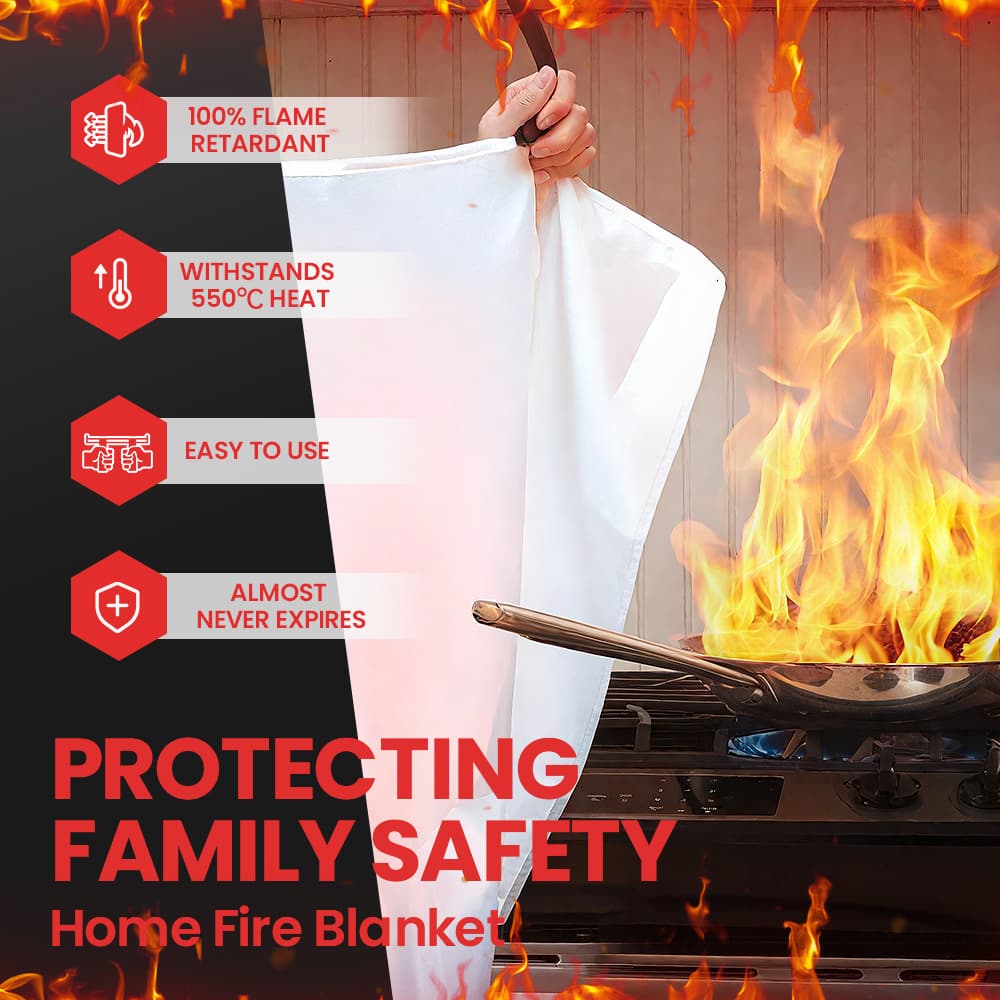
Kitchen fires — especially those involving grease or cooking oil — are one of the most common fire risks in homes. Attempting to use water on a grease fire can make the flames worse. In contrast, a fire blanket will quickly smother the fire without splashing hot oil.
🚗 Vehicle & EV Fire Safety
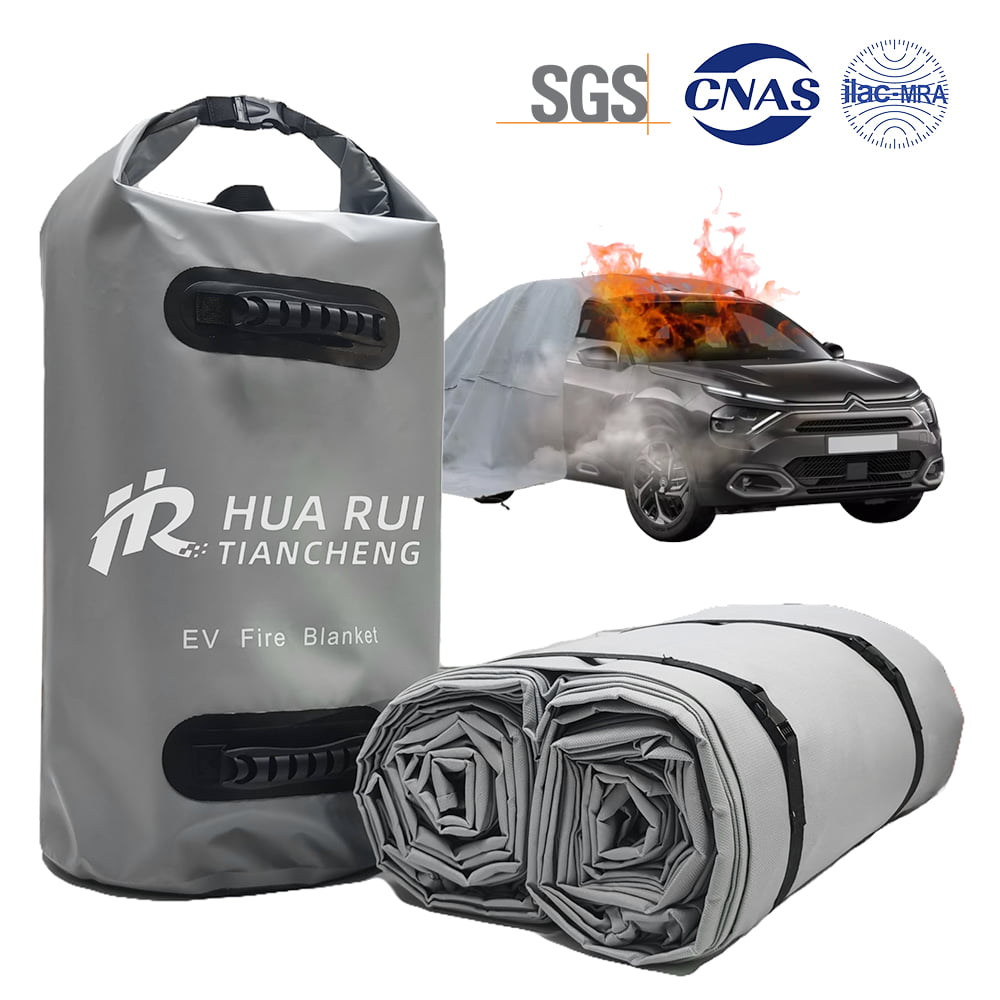
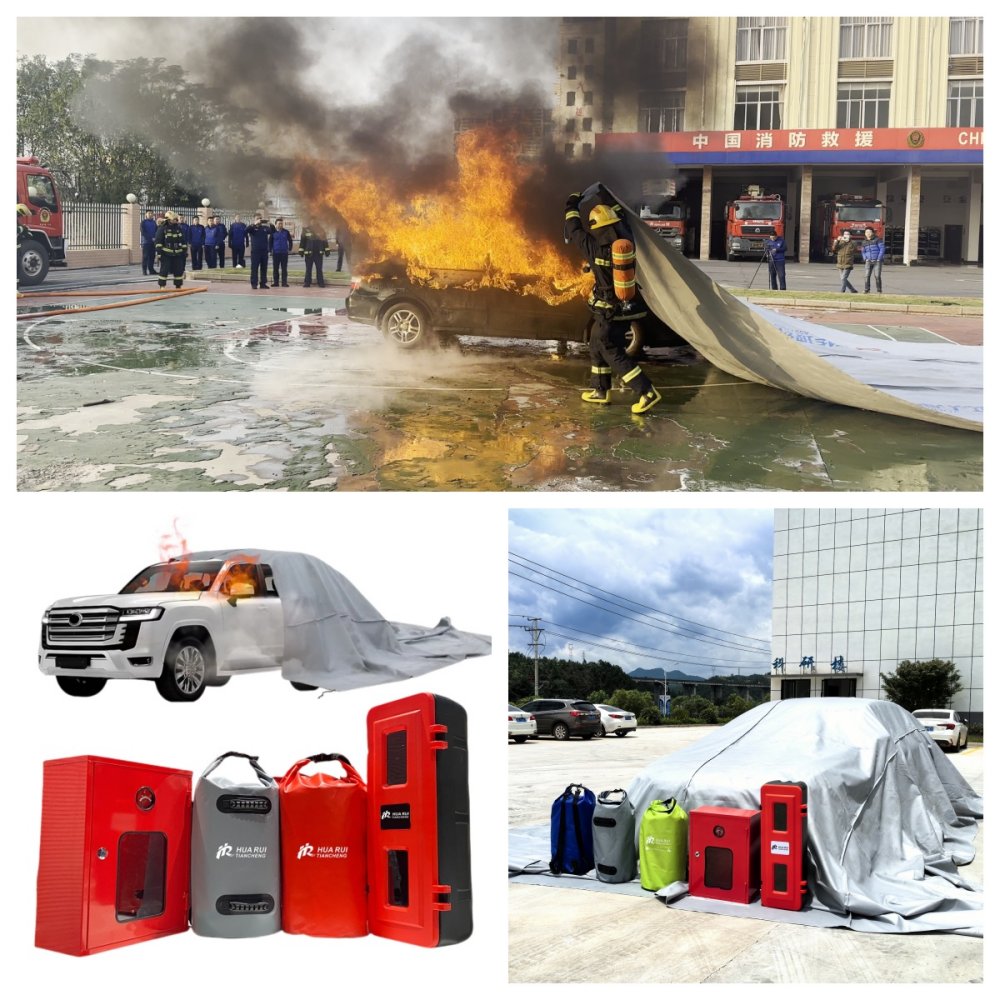
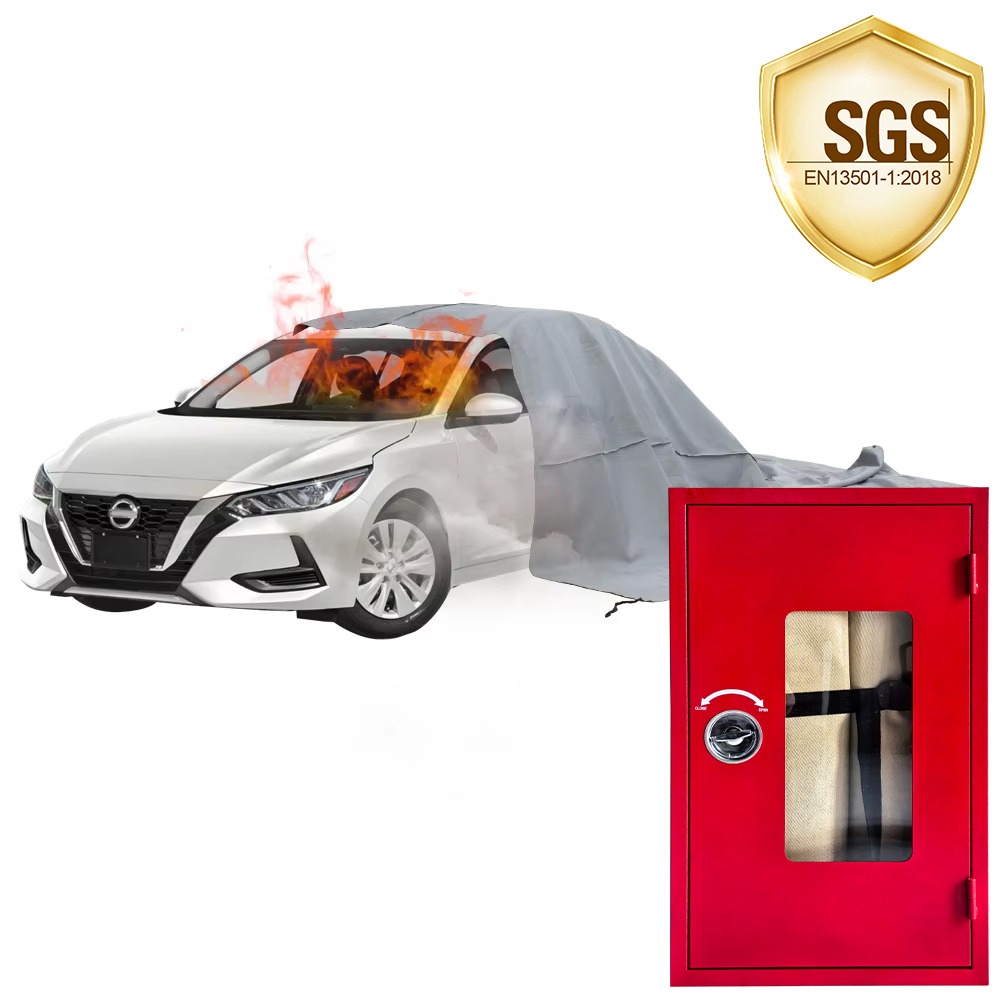
Cars and especially electric vehicles (EVs) pose unique fire risks. EV battery fires can spread quickly and are notoriously difficult to extinguish with conventional methods. A fire blanket designed for vehicle use can slow the spread of flames long enough to get help.
🛠️ Workshops & DIY Areas
Sparks from welding, power tools, and workshop equipment can trigger small fires. Fire blankets provide an added layer of protection, helping you control combustible situations before they get out of hand.
🏕️ Outdoor & Camping Safety
Fire blankets are lightweight and portable — perfect for camping, BBQs, and outdoor cooking areas where flames and heat are part of the experience.
Fire Blankets vs. Fire Extinguishers
Both tools are essential, but they serve slightly different purposes.
| Feature | Fire Blanket | Fire Extinguisher |
|---|---|---|
| Best for small fires? | ✅ | ⚠️ Yes, but may be messy |
| Best for grease fires? | ✅ | ❌ Not recommended |
| Leaves residue? | ❌ | Often yes |
| Easy to use for beginners? | ✅ | Requires training |
Fire blankets are perfect for small, contained fires — especially in kitchens and vehicles — while fire extinguishers are better suited for larger or spreading fires.
How to Use a Fire Blanket Safely
Using a fire blanket is straightforward, but correct technique matters:
- Assess the Fire
Only use a fire blanket for small, contained flames. - Pull the Blanket From Its Pouch
Grab the tabs and unfold the blanket quickly. - Protect Your Hands
Fold the top edge over your hands like gloves to help shield them. - Cover the Fire Completely
Gently lay the blanket over the fire, ensuring it fully covers the flames. - Leave the Blanket in Place
Don’t remove it until the fire is fully out and cool.
⚠️ Important: Do not throw a fire blanket at the flames — this can introduce more oxygen and worsen the fire.
Choosing the Right Fire Blanket
🔹 Size
Smaller blankets are fine for kitchens, but larger models are better for vehicles, workshops, or outdoor areas.
🔹 Material
Look for high-quality fiberglass or silicone-coated options for better heat resistance.
🔹 Certifications
Choose products that meet recognized safety standards — this ensures they’ve been tested for real-world fire scenarios.
Where to Place Your Fire Blanket
To maximize preparedness:
- Store one in your kitchen, near but not on top of the stove.
- Keep one in your car or RV, easily accessible.
- Place one near your workshop or garage entry.
Frequent visibility and easy access mean faster response times during emergencies.
Final Thoughts
Fire safety begins with preparation. Fire blankets are a simple, effective first line of defense against small fires and an excellent complement to fire extinguishers.
Whether you’re protecting your home, vehicle, or outdoor space, investing in the right fire blanket can give you confidence, control, and peace of mind.
👉 Explore our range of fire blankets at EV Fire Blanket Safety and choose the right protector for your space today.