
<script type="application/ld+json">
{
  "@context": "https://schema.org",
  "@type": "FAQPage",
  "mainEntity": [{
    "@type": "Question",
    "name": "Why is silicone-coated fiberglass better than standard fiberglass for vehicle fires?",
    "acceptedAnswer": {
      "@type": "Answer",
      "text": "Silicone-coated fiberglass can withstand temperatures above 1000°C, whereas standard fiberglass typically fails at 600°C. The silicone layer also creates a gas-tight seal essential for containing toxic EV battery fumes."
    }
  },
  {
    "@type": "Question",
    "name": "Can these fire blankets be customized for specific vehicle sizes?",
    "acceptedAnswer": {
      "@type": "Answer",
      "text": "Yes. As a source factory, we offer full OEM and customization services, providing bespoke sizes for everything from electric scooters to large SUVs and industrial forklifts."
    }
  },
  {
    "@type": "Question",
    "name": "Are your vehicle fire blankets CE and ISO certified?",
    "acceptedAnswer": {
      "@type": "Answer",
      "text": "Absolutely. All our professional-grade vehicle fire blankets are CE and ISO certified to ensure compliance with international safety and insurance standards."
    }
  }]
}
</script>
Silicone-Coated vs. Fiberglass: Choosing the Right Material for Vehicle Fire Blankets
As electric vehicles (EVs) become more prevalent in commercial fleets and parking structures, the demand for effective fire suppression has shifted. For procurement managers and safety engineers, the core question is: Which material will hold up under the 1000°C+ heat of a lithium-ion battery fire?
1. Standard Fiberglass: The Baseline
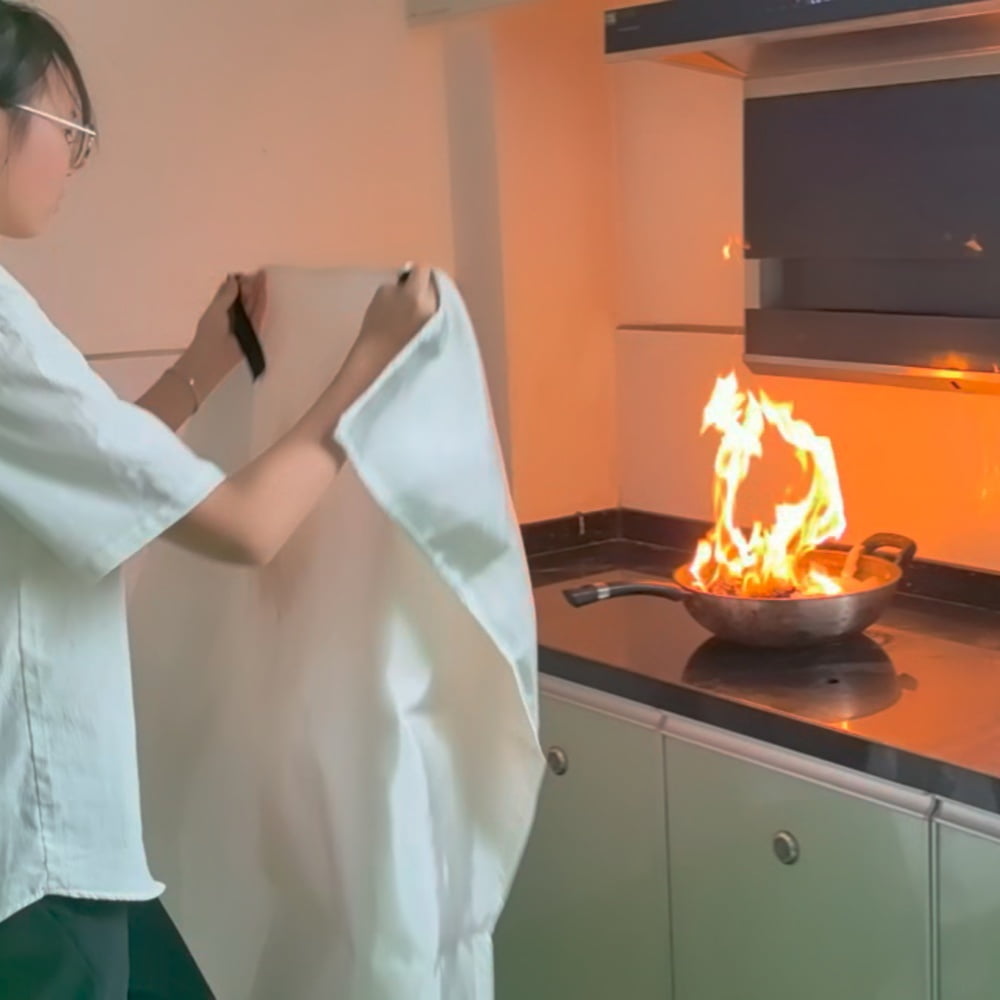
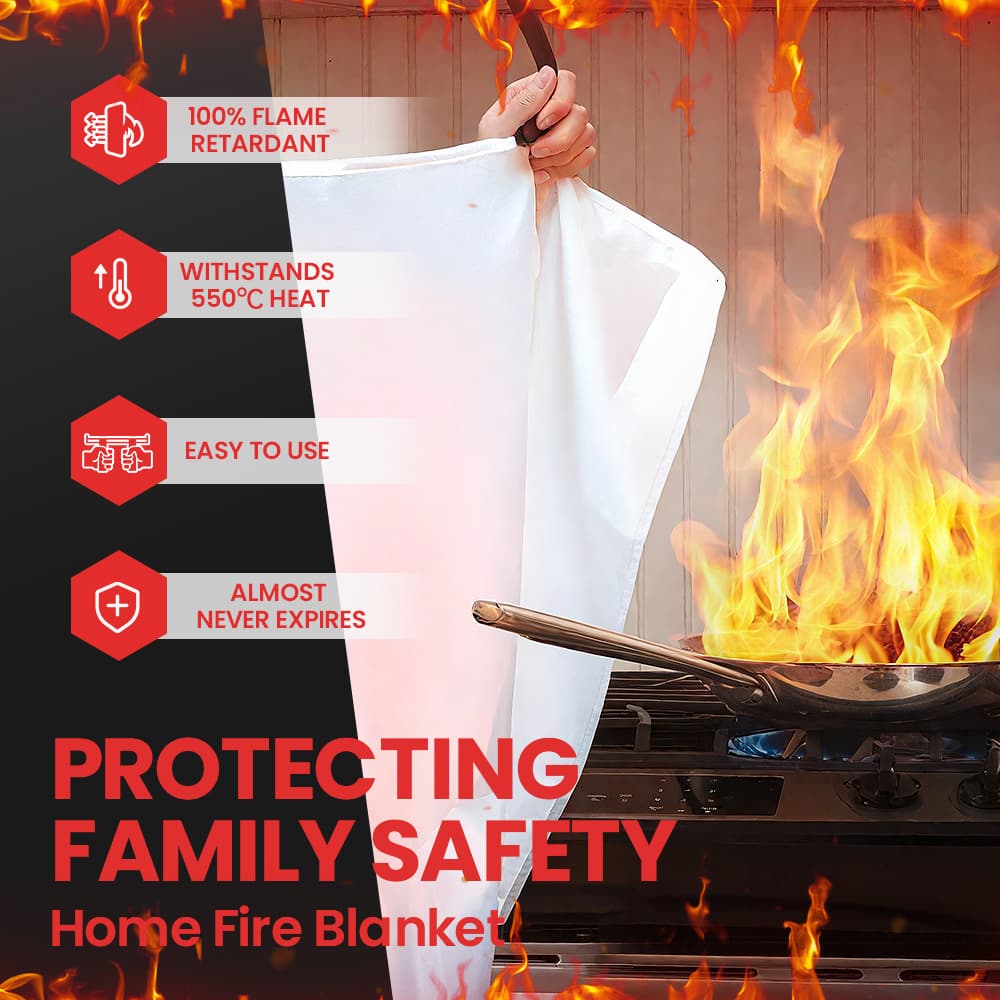
Fiberglass is the traditional choice for general fire safety. While non-combustible, standard fiberglass has a temperature limit of approximately 550°C – 600°C. In the event of a “thermal runaway” in an EV battery, these temperatures are exceeded almost instantly, causing standard fiberglass to become brittle and fail.
2. Silicone-Coated Advantage: 1000°C+ Protection
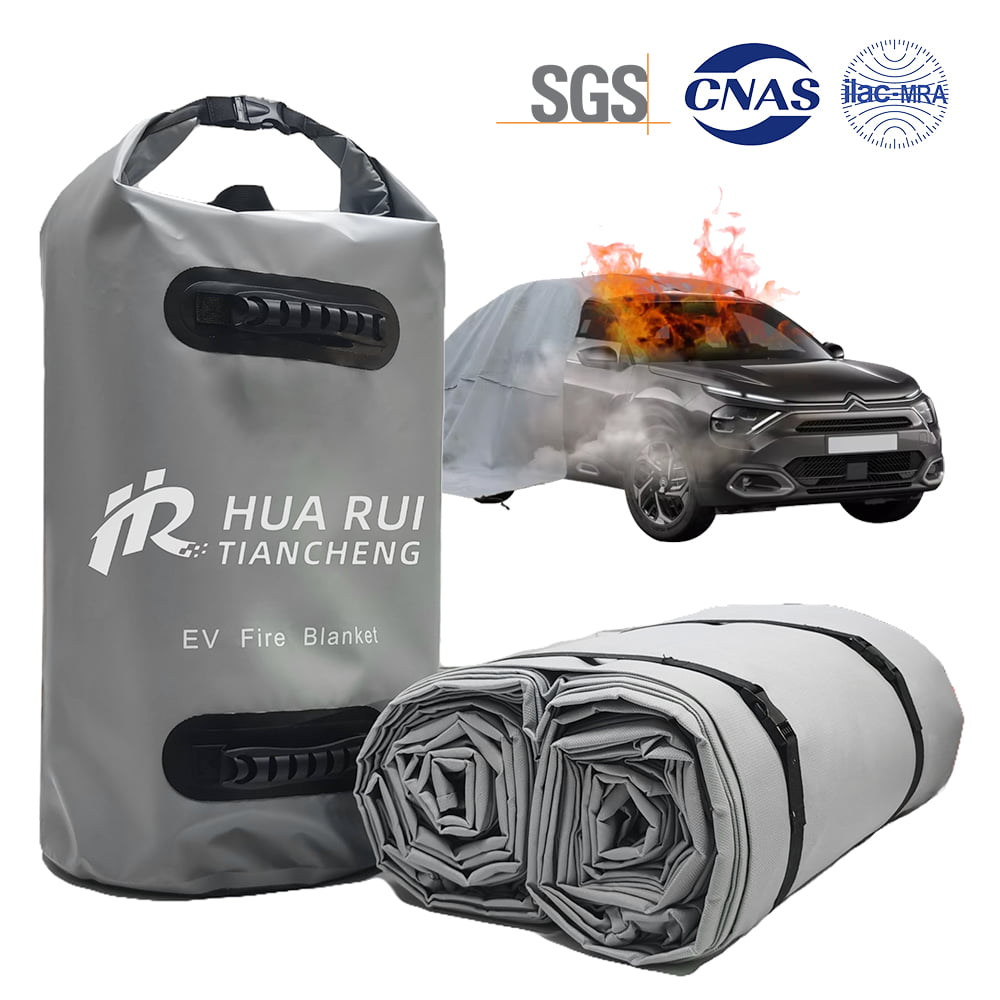
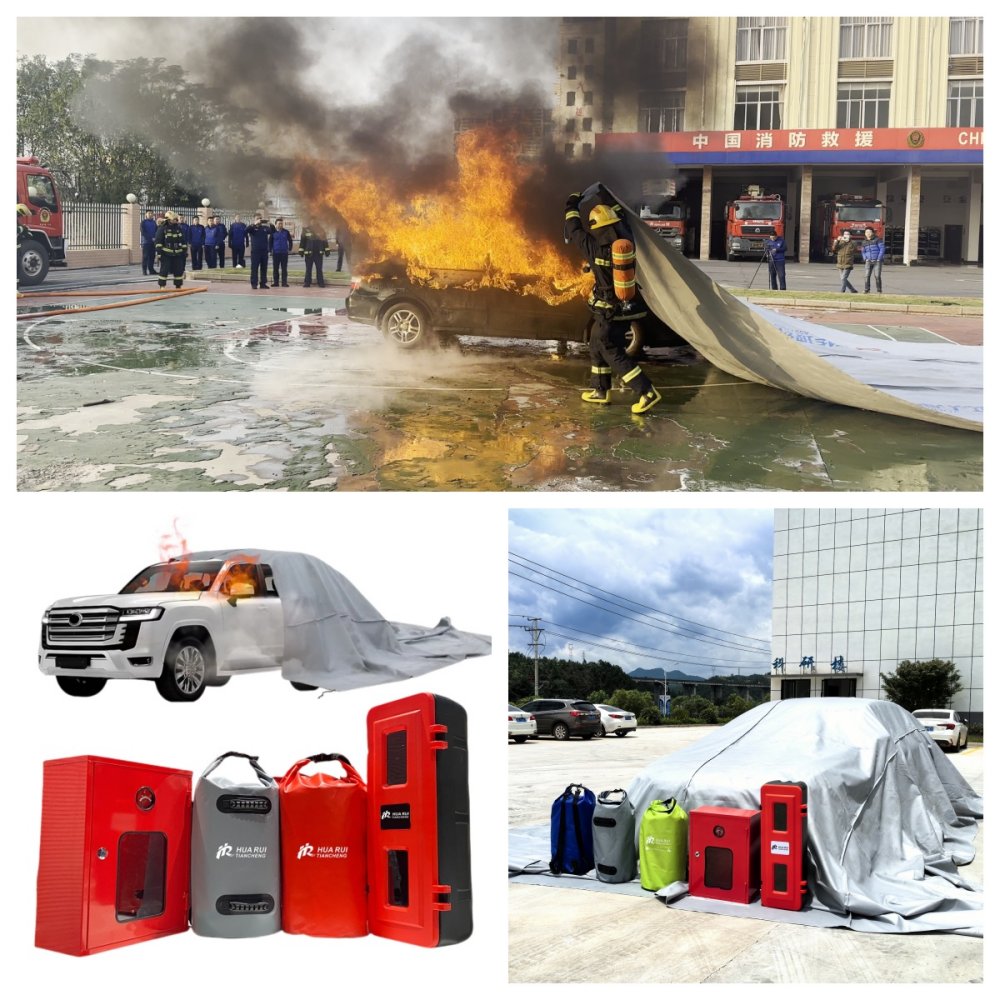
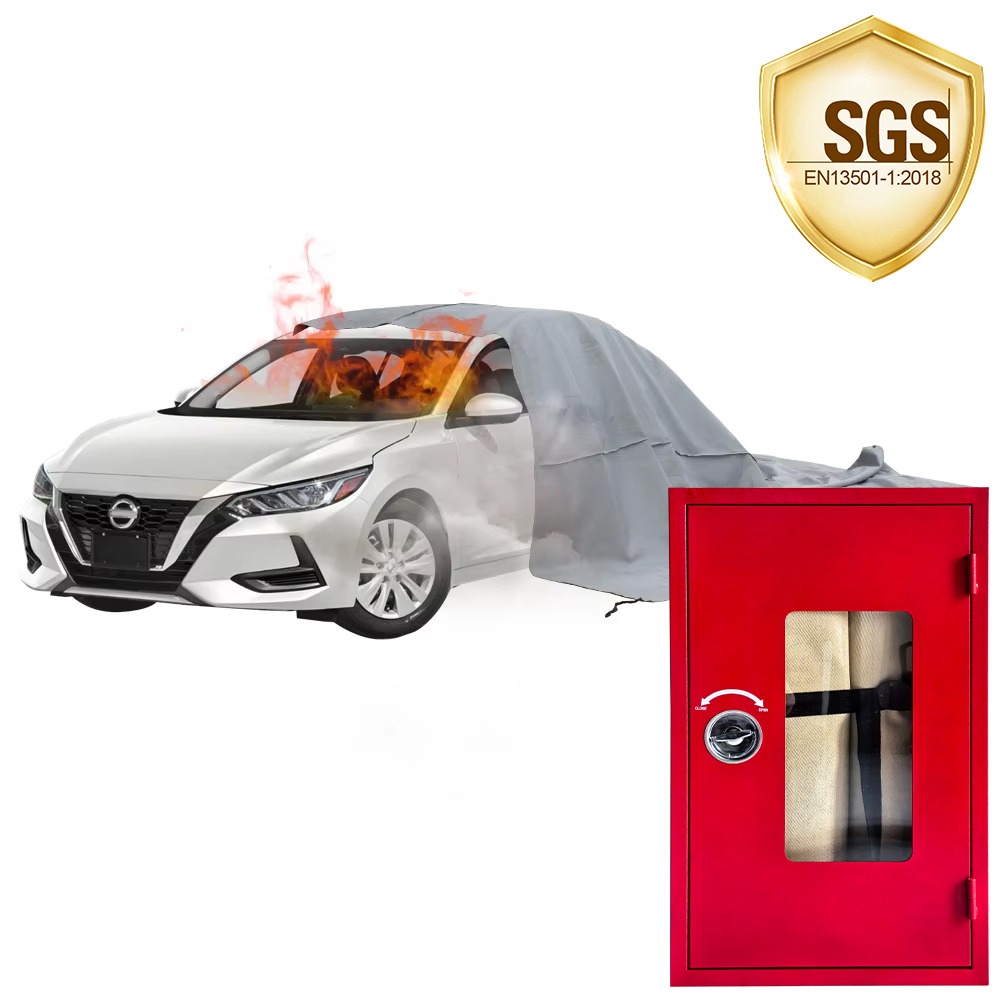
By applying a specialized technical silicone layer over high-silica fiberglass, the blanket’s performance is transformed. High temperature fire blankets for EV fires must act as a containment cell, preventing oxygen ingress and containing toxic smoke. Silicone coating provides the structural integrity needed to survive 1000°C+ peaks.
3. Material Comparison
| Feature | Standard Fiberglass | Silicone-Coated |
|---|---|---|
| Max Temp | ~600°C | 1000°C – 1300°C |
| Gas Sealing | Porous (Leaks smoke) | Gas-tight Barrier |
| Durability | Low (Fibers break) | High (Abrasion resistant) |
4. B2B Advantage: Factory Sourcing & Customization
Choosing a vehicle fire blanket manufacturer with direct source factory capabilities ensures you receive professional-grade protection without the middleman markup. We specialize in:
- OEM Branding: Your logo and safety instructions printed directly on the blanket.
- Full-Size Customization: Bespoke dimensions to fit any vehicle from e-bikes to freight trucks.
- Certified Compliance: CE/ISO documentation provided for your insurance and safety audits.
Secure Your High-Value Assets Today
Get factory-direct pricing on CE-certified, 1000°C+ silicone-coated fire blankets. Protect your facility from the risks of lithium-ion fires.
Request a Bulk Quote