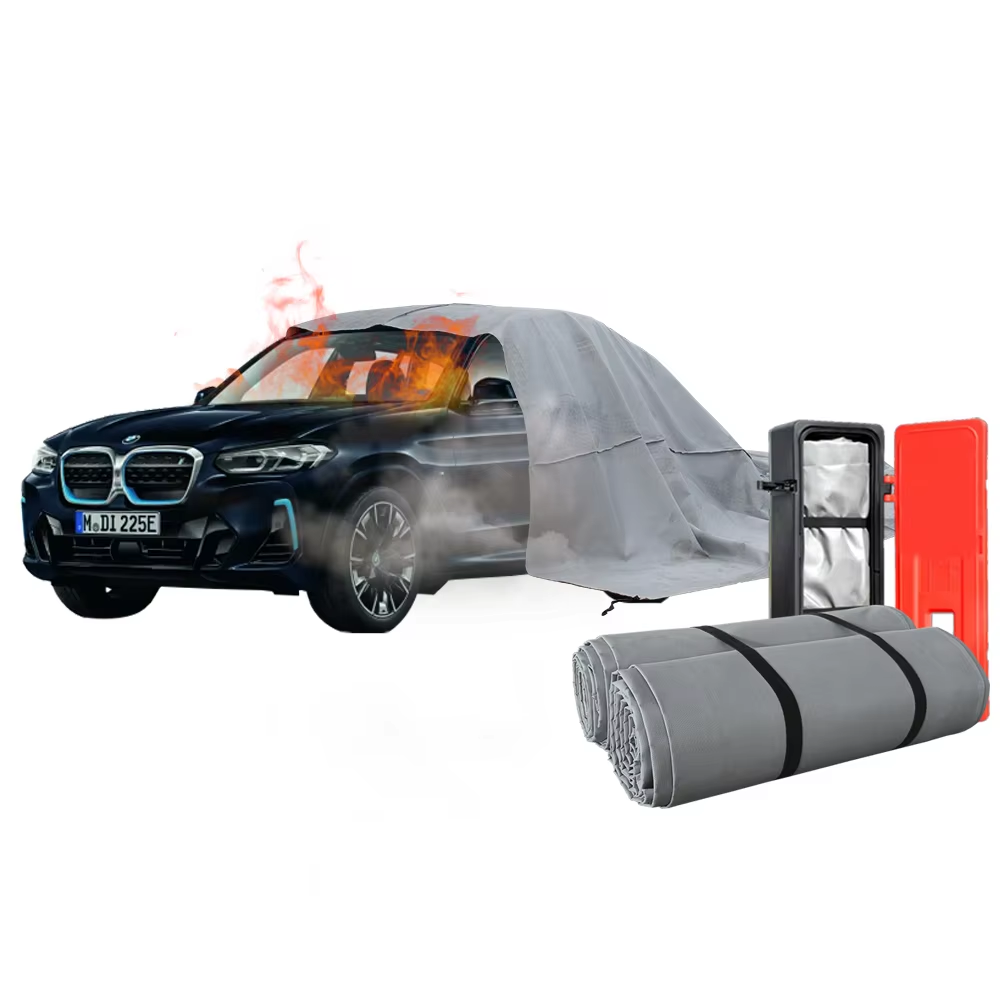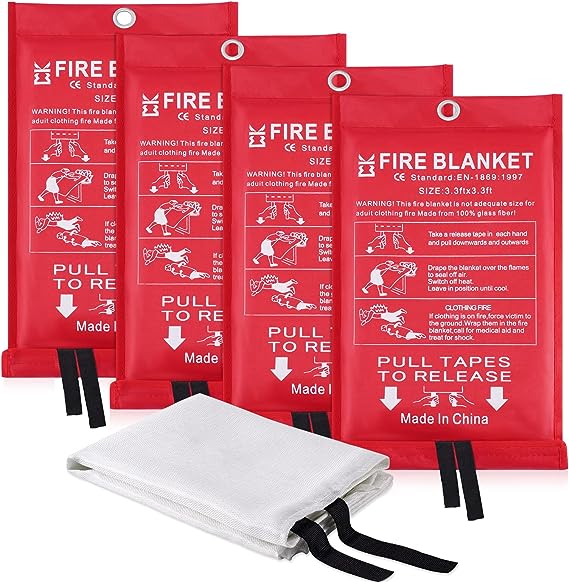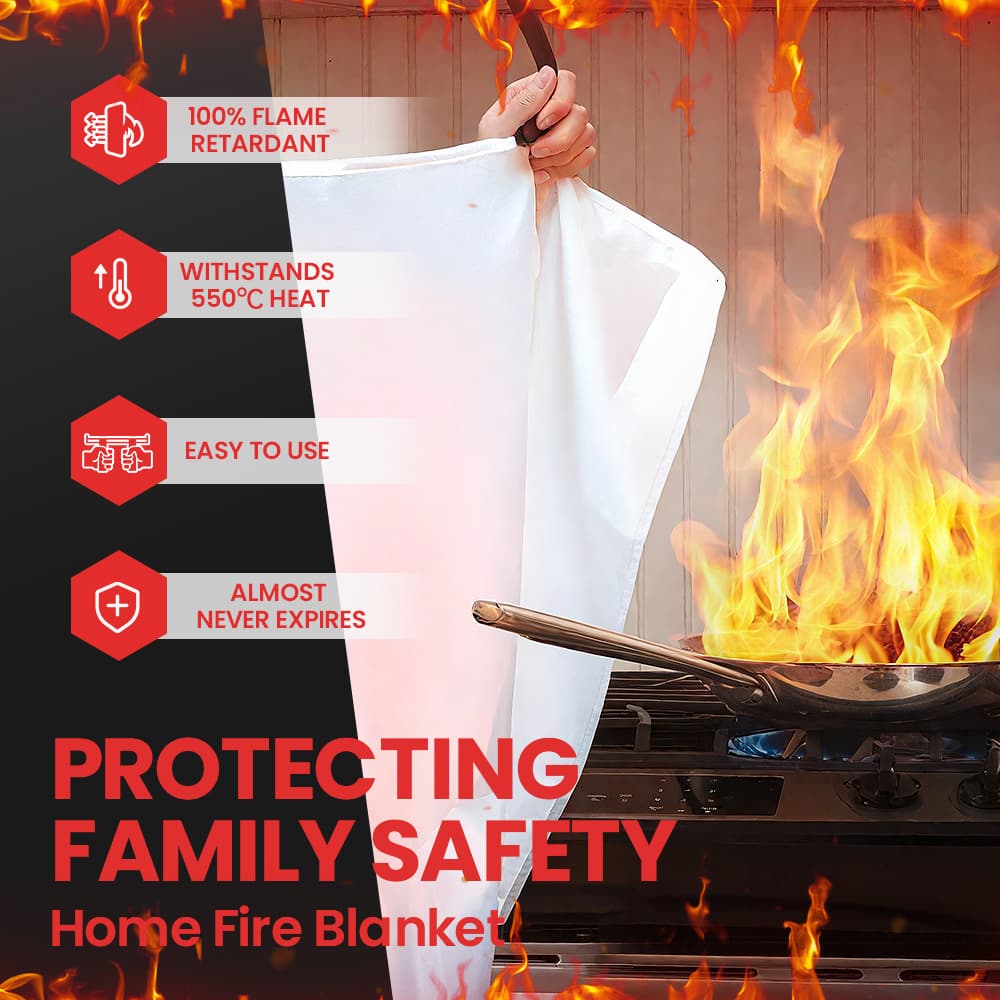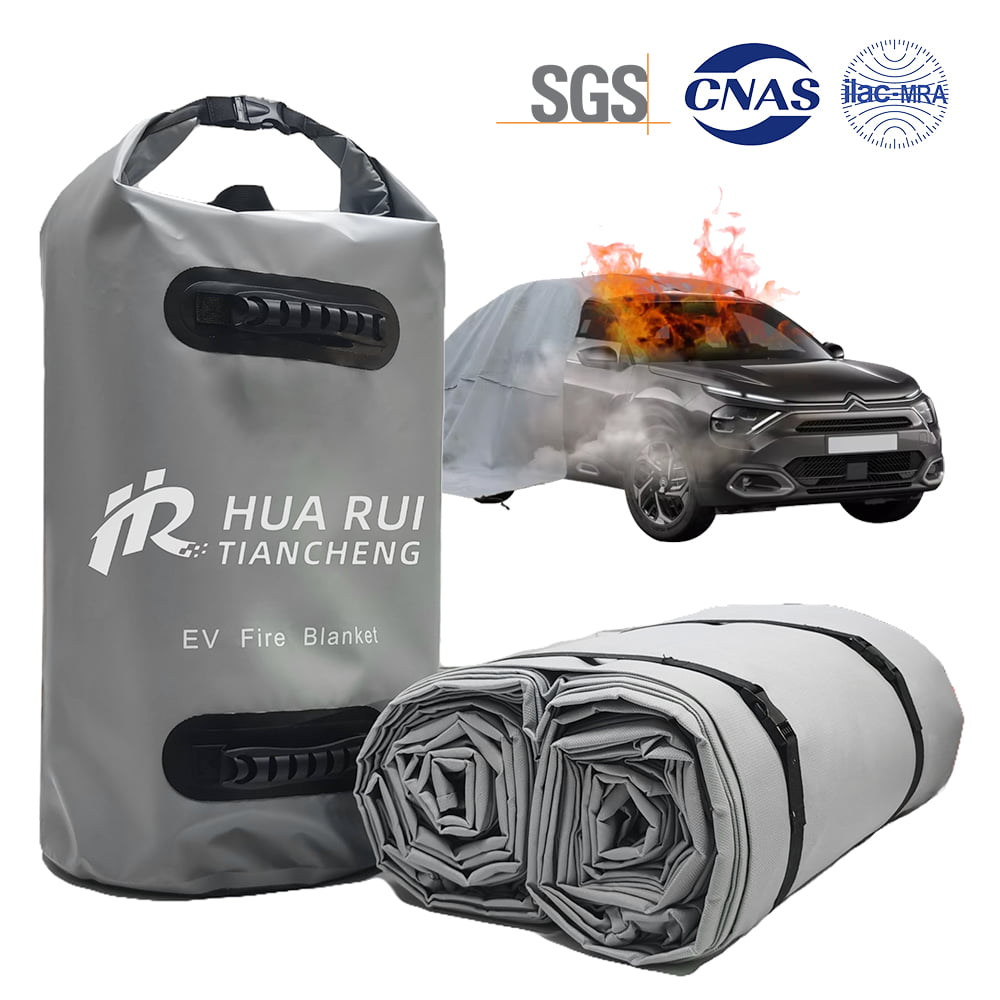

A fire blanket is one of the most effective and simplest safety tools for tackling small, contained fires. Unlike a fire extinguisher, which can be messy and requires some training to operate, a fire blanket is intuitive, clean, and relies on a simple principle: smothering the fire to cut off its oxygen supply.
This guide provides a complete overview of fire blankets, including what they are, when to use them, and step-by-step instructions on how to deploy them safely.
1. What is a Fire Blanket?
A fire blanket is a safety device made from sheets of fire-resistant materials, typically fiberglass or specially treated wool. It is designed to be placed over a small fire to smother it.
Key Characteristics:
- Material: Most modern fire blankets are made of woven fiberglass fabric, which is flexible, non-combustible, and can withstand extremely high temperatures.
- Mechanism: It works by creating a physical barrier between the fire and the oxygen in the air. Without oxygen, the fire cannot burn.
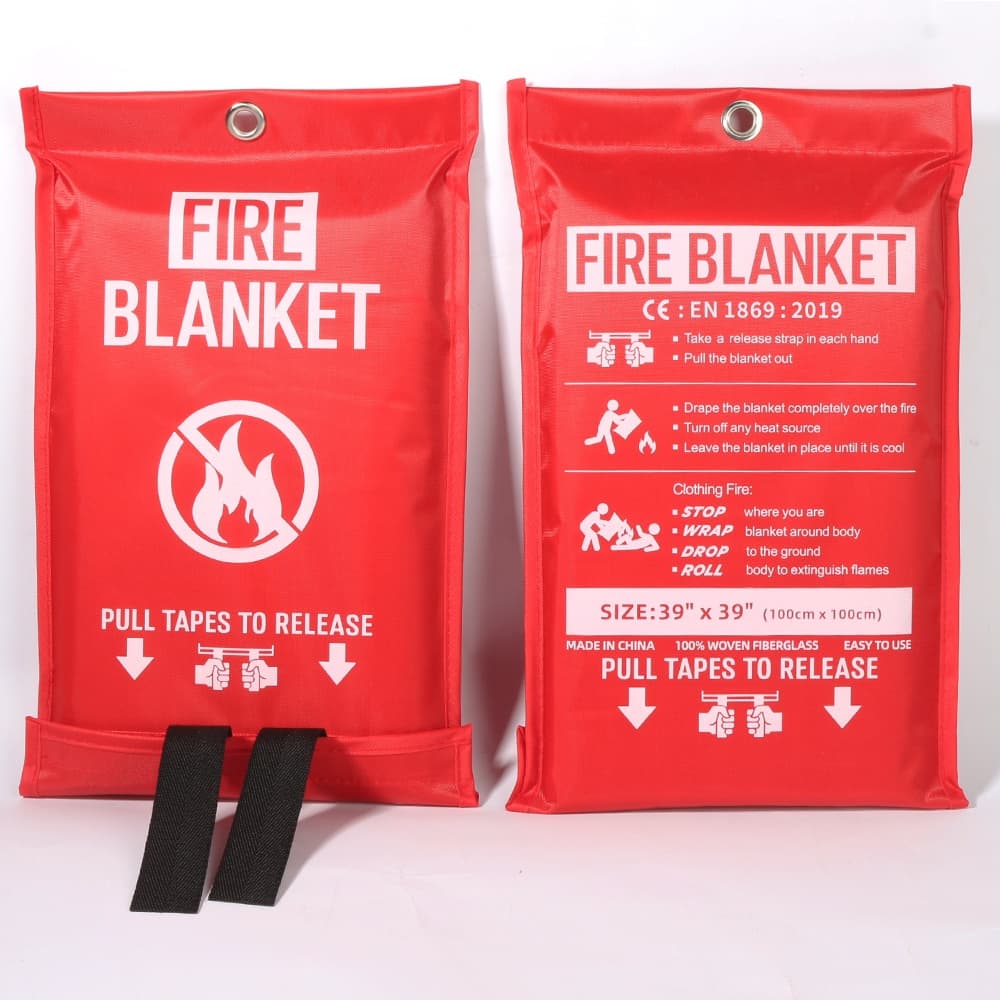
- Storage: Fire blankets are usually folded and stored in a quick-release plastic container or bag, allowing for rapid deployment. They are designed to be mounted on a wall, often in a kitchen or workshop.
2. How to Use a Fire Blanket (Step-by-Step)
Using a fire blanket correctly is crucial for both effectiveness and personal safety. Remember the acronym PULL-COVER-RUN to help recall the steps.
Step 1: Prepare for Safety
- Alert others: Shout “Fire!” to warn anyone nearby.
- Turn off the heat: If the fire is on a stove, turn off the burner immediately if it is safe to do so.
Step 2: Remove the Blanket
Pull the tabs or straps hanging from the bottom of the container. The blanket should slide out easily.
Step 3: Protect Your Hands
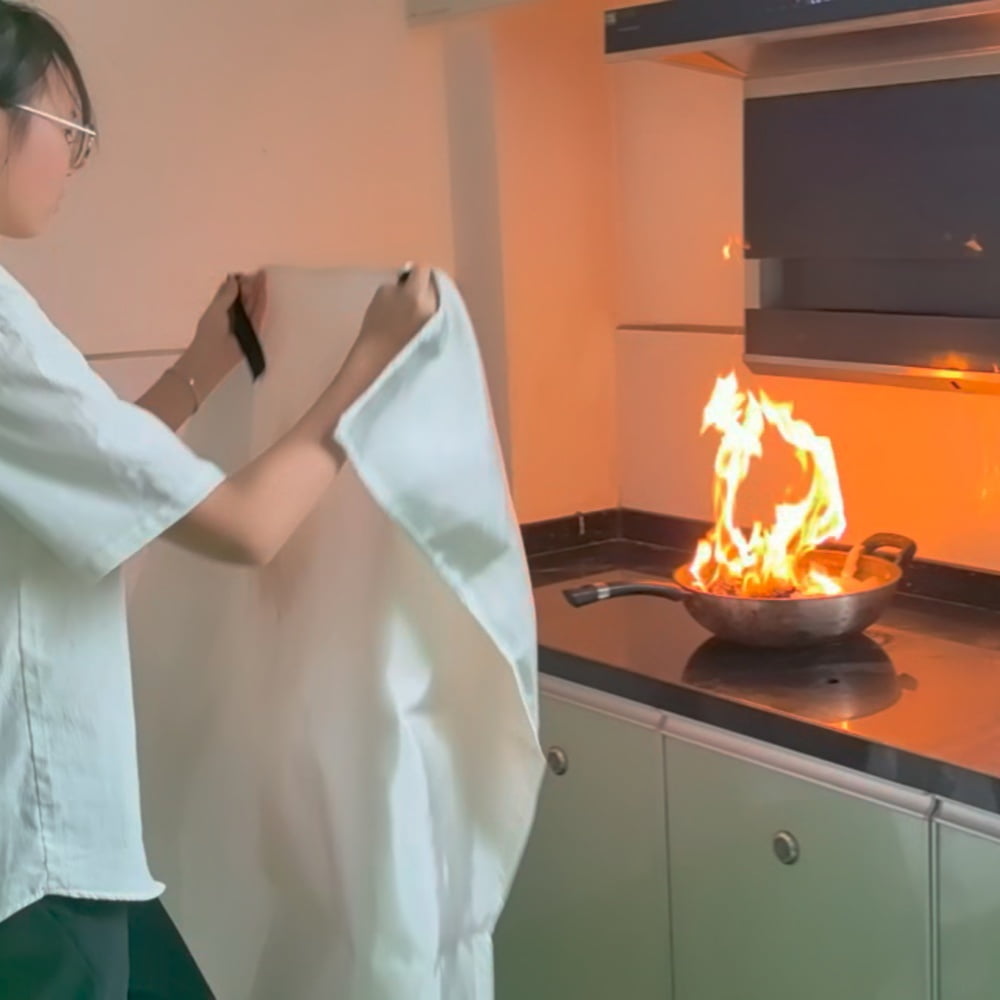
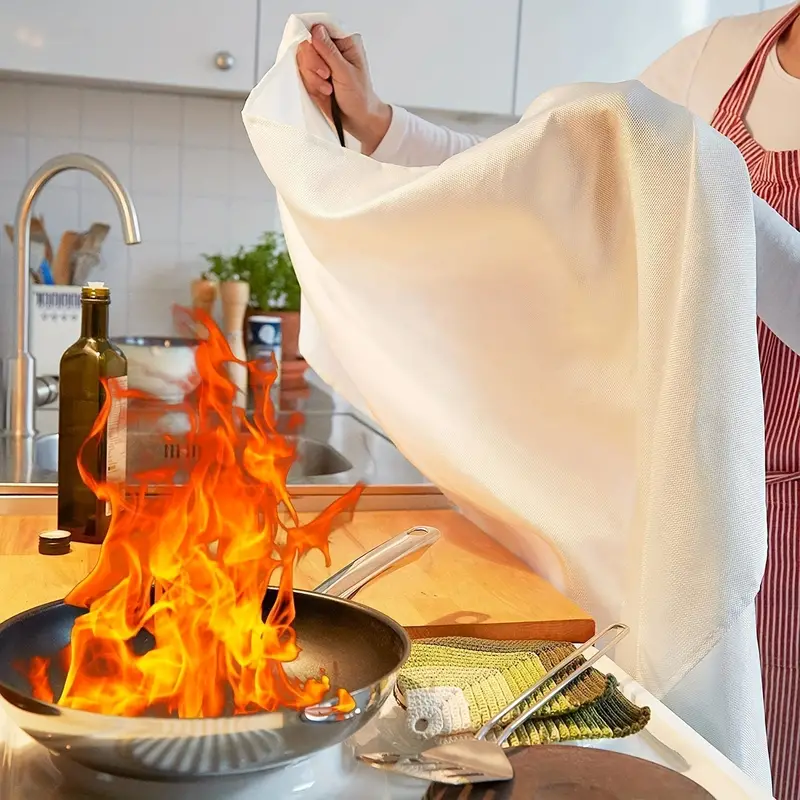
Wrap the corners of the blanket around your hands to shield them from the heat. Ensure your hands and fingers are fully covered by the fabric.
Step 4: Cover the Fire
Approach the fire cautiously. Do not throw the blanket onto the fire. Instead, hold it in front of you like a shield and gently lay it over the flames. Start by covering the near edge of the fire and then lay the rest down moving away from you. This prevents you from pushing the flames toward yourself.
Step 5: Turn Off the Fuel Source
If the fire is on a gas or electric stove, turn off the power or gas supply.
Step 6: Leave It to Cool
Leave the blanket in place for at least 15-30 minutes to allow the heat to dissipate. Do not touch it immediately. The intense heat can cause the blanket to remain hot enough to cause burns or the fire to reignite if oxygen returns too soon.
Step 7: Call the Fire Department
Even if you think the fire is out, it is wise to contact your local fire department to inspect the area and ensure the fire has not spread inside the walls or appliances.
3. When to Use a Fire Blanket
Fire blankets are excellent for specific types of fires but are not a solution for every situation. Knowing when to use one—and when not to—is vital.
✅ Appropriate Uses (DO Use):
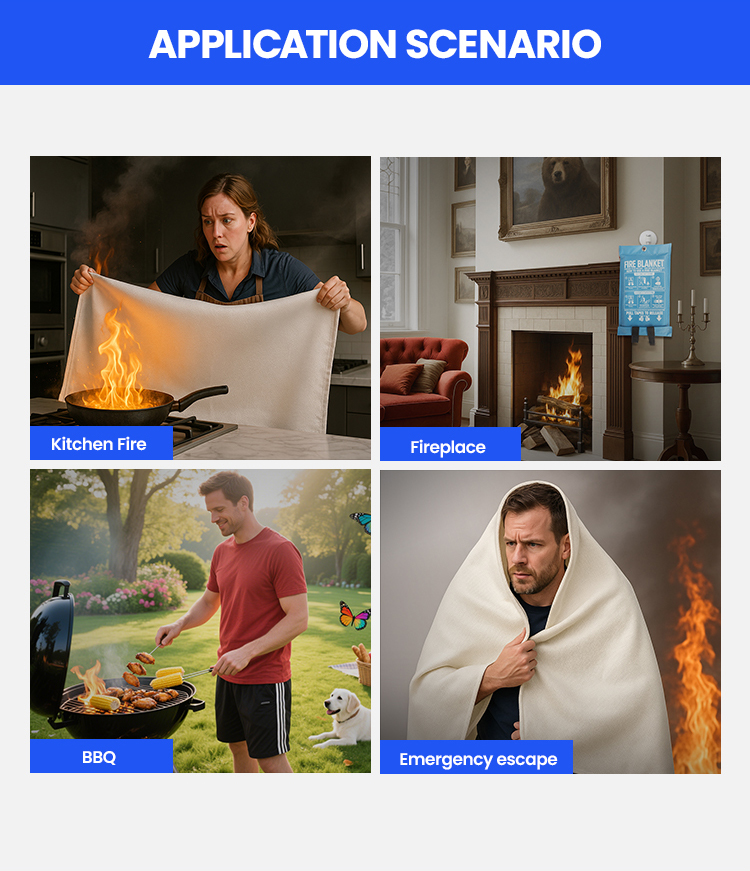
- Kitchen Fires (Class F / K): Ideal for small grease fires in pans or deep fryers where water would cause a violent reaction.
- Clothing Fires: If a person’s clothing catches fire, a fire blanket can be wrapped around them to smother the flames (the “Stop, Drop, and Roll” method is the primary response, but a blanket is a great alternative).
- Small Contained Fires: Perfect for fires in a wastebasket or small electrical fires (Class C) involving appliances, as it leaves no messy residue like some extinguishers.
❌ Inappropriate Uses (DO NOT Use):
- Large Spreading Fires: If the fire has spread to the curtains, cabinets, or is larger than the blanket itself, evacuate immediately and call emergency services. Do not attempt to fight it.
- Unsafe Environment: If the room is filling with smoke, or if you are unsure of the fuel source, prioritize escape over using the blanket.
4. Summary: The Essential Home Safety Tool
A fire blanket is a critical first line of defense against minor fires. It is simple to use, requires no annual servicing like some extinguishers, and has an indefinite shelf life as long as it remains undamaged and accessible.
Key Takeaways:
- Fire blankets smother fires by cutting off oxygen.
- They are best for small kitchen fires and clothing fires.
- Always protect your hands and lay the blanket gently over the fire.
- Safety first: Only use the blanket if the fire is small and you have a clear escape route.
Every household, especially those with a kitchen, should have a fire blanket mounted in an easily accessible location, away from the stove but close enough to reach quickly in an emergency. Understanding how to use it before an emergency happens can make all the difference.